
Kenya is one of the world's greatest safari destinations. But timing your visit correctly makes the difference between a good safari and an extraordinary one.
Whether you're dreaming of watching the Great Migration river crossings in the Maasai Mara, tracking lions across the Amboseli plains with Mount Kilimanjaro as your backdrop, or exploring the birdlife of Lake Nakuru — Kenya has something spectacular to offer in every season.
Here's your complete guide to the best time to visit Kenya for a safari in 2026.
Kenya's Two Safari Seasons
Kenya has two distinct dry seasons and two wet seasons, each offering a different safari experience.
The Long Dry Season — July to October
This is peak safari season and the most popular time to visit Kenya — and for good reason.
Weather: Warm and dry. Minimal rainfall. Clear blue skies. Excellent visibility for game drives and photography.
Wildlife viewing: Outstanding. Vegetation is sparse, making animals easier to spot. Wildlife concentrates around permanent water sources, making sightings more frequent and predictable.
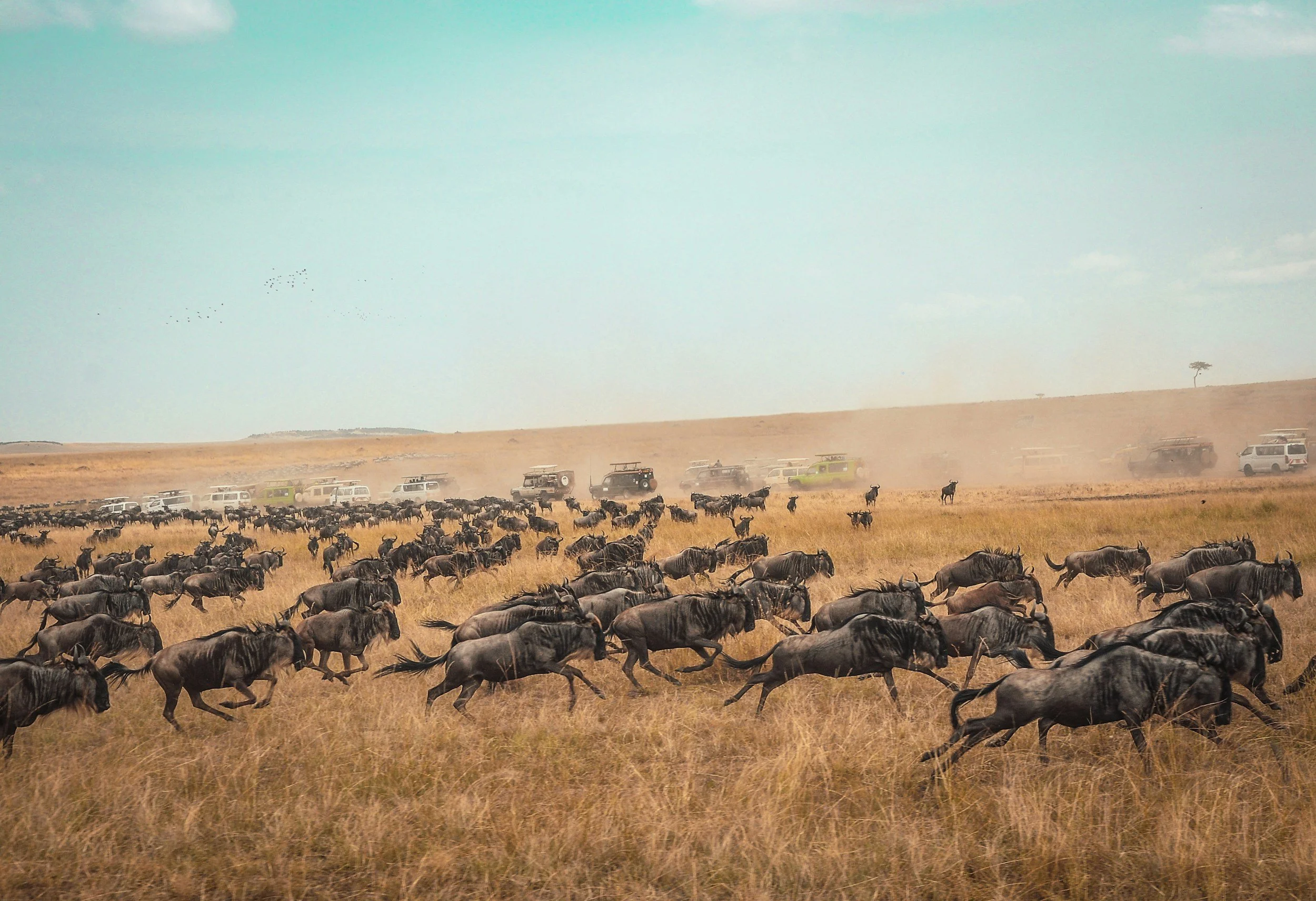
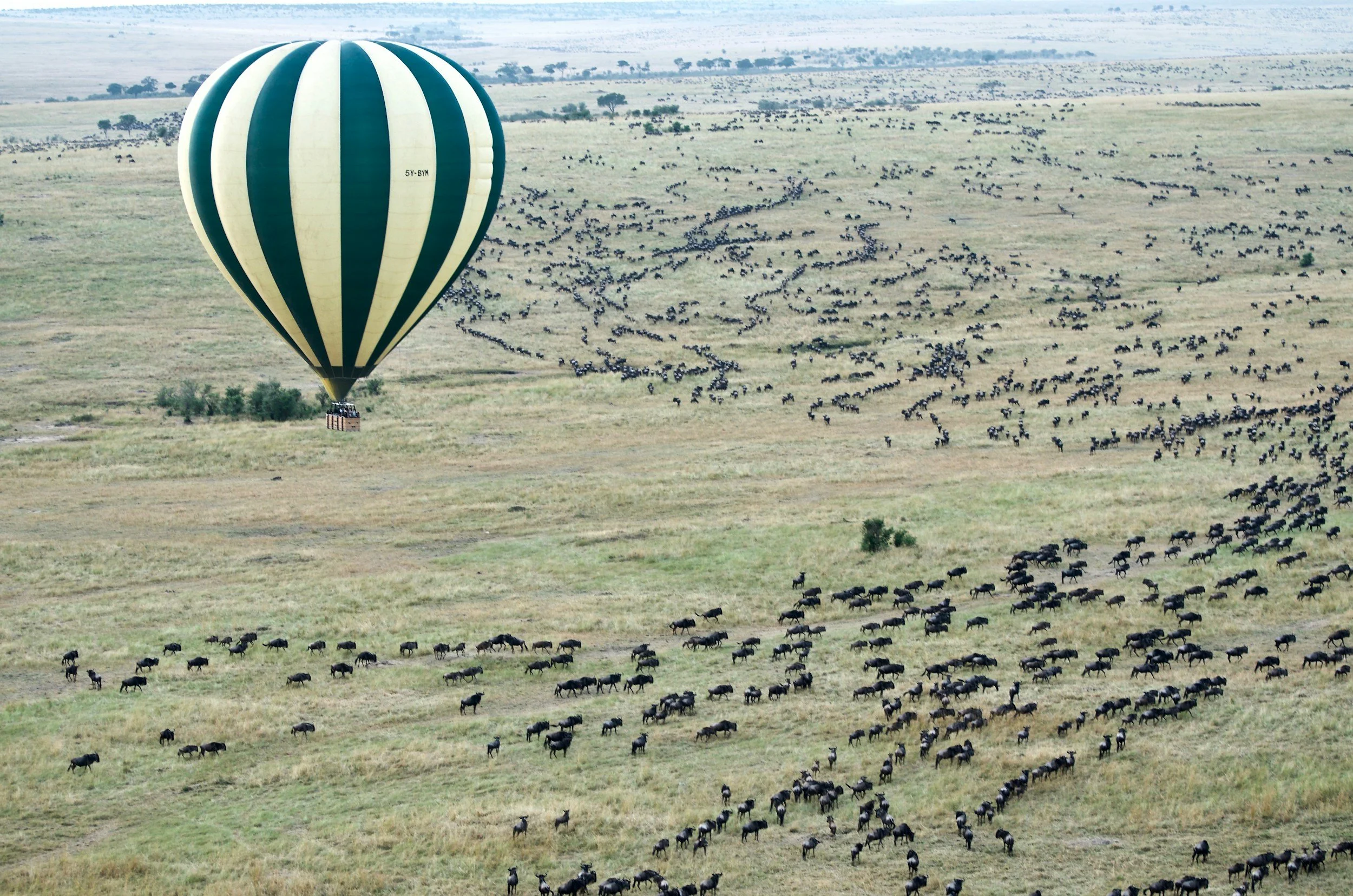
The Great Migration: This is the highlight of peak season. Every year, over 1.5 million wildebeest, zebra and gazelle migrate north from Tanzania's Serengeti into Kenya's Maasai Mara in search of fresh grass. The dramatic river crossings — where herds plunge into crocodile-filled waters — happen between July and October and are considered one of the greatest wildlife spectacles on Earth.
Best for: First-time safari visitors, Great Migration viewing, photography, families
Drawback: Peak season means higher prices and more visitors at popular parks. Book well in advance.
The Short Dry Season — January to February
Often overlooked by first-time visitors, January and February offer excellent safari conditions with fewer crowds and lower prices than peak season.
Weather: Hot and dry. Clear skies. Excellent game viewing conditions.
Wildlife: Calving season in the southern Serengeti — while this is technically Tanzania, many Kenya safaris combine both countries. In Kenya, big cat sightings are exceptional during this period.
Best for: Budget-conscious luxury travelers, honeymooners wanting privacy, repeat visitors
The Long Rains — March to June
Kenya's main rainy season brings heavy afternoon showers, particularly in April and May. While this was traditionally considered low season, many experienced safari-goers now embrace it.
Weather: Warm with heavy rainfall, particularly April–May. Roads in some parks can become difficult.
Wildlife: Animals are spread across the landscape with abundant water and food. Harder to spot but dramatic green scenery. Excellent birdwatching as migratory species arrive.
Best for: Bird lovers, photographers seeking dramatic green landscapes, budget travelers (significant discounts available)
Drawback: Some camps close during April–May. Park roads can be muddy and impassable.
The Short Rains — November to December
Brief afternoon showers characterize November and December. This is another underrated time to visit.
Weather: Light, unpredictable showers — often just a few hours in the afternoon. Mornings are usually clear and perfect for game drives.
Wildlife: Excellent. The landscape is lush and green. Migratory birds have arrived. Animals are well-fed and active.
Best for: Combining safari with festive season travel, bird watching, value-seeking travelers
Month by Month Guide to Kenya Safaris in 2026
January — Excellent game viewing, dry and hot, fewer crowds ⭐⭐⭐⭐
February — Outstanding big cat sightings, clear skies ⭐⭐⭐⭐⭐
March — Rains beginning, green landscapes, good value ⭐⭐⭐
April — Heavy rains, lowest prices, dramatic scenery ⭐⭐
May — Heavy rains continuing, quietest month ⭐⭐
June — Rains easing, migration building in Serengeti ⭐⭐⭐
July — Peak season begins, Great Migration arrives in Mara ⭐⭐⭐⭐⭐
August — Prime Great Migration month, river crossings ⭐⭐⭐⭐⭐
September — Excellent wildlife, migration still active ⭐⭐⭐⭐⭐
October — Migration heading south, still excellent game viewing ⭐⭐⭐⭐
November — Short rains, lush scenery, good value ⭐⭐⭐
December — Festive season, good wildlife, increasing visitors ⭐⭐⭐⭐
Best Kenya Safari Parks by Season
Maasai Mara — Best July to October
The Mara is Kenya's most famous reserve and the stage for the Great Migration. Peak season (July–October) is when the drama unfolds — wildebeest river crossings, lion hunts, cheetah chases across open plains. Outside of peak season the Mara is quieter but still exceptional for big cat sightings year-round.
Amboseli National Park — Best January to February & June to October
Famous for its large elephant herds and stunning views of Mount Kilimanjaro, Amboseli is best visited in the dry seasons when elephants congregate around the park's swamps and Kilimanjaro is free of cloud cover.
Lake Nakuru — Best Year Round
Known for its flamingos, rhinos and leopards, Lake Nakuru offers excellent wildlife viewing throughout the year. The green season (April–June) is particularly beautiful with lush vegetation and abundant birdlife.
Samburu National Reserve — Best July to October
A northern gem offering unique wildlife not found in the south — Grevy's zebra, reticulated giraffe, and Beisa oryx. Dry season is best for game viewing in this remote, dramatic landscape.
Tsavo National Parks — Best June to October
Kenya's largest national park complex is best explored in the dry season when wildlife concentrates around rivers and water holes. Famous for its red elephants, lions and spectacular landscapes.
The Great Migration — Kenya's Greatest Safari Spectacle
No guide to Kenya safari timing would be complete without a detailed look at the Great Migration.
What is it? The largest overland migration of animals on Earth. Every year, over 1.5 million wildebeest, 200,000 zebra and 500,000 gazelle complete a circular migration between Tanzania's Serengeti and Kenya's Maasai Mara.
When does it happen in Kenya? The herds typically cross the Mara River into Kenya between late June and November, with the most dramatic river crossings occurring in July, August and September.
The River Crossings The Mara River crossings are the most dramatic wildlife event on earth. Thousands of wildebeest plunge into crocodile-infested waters in a chaotic, dangerous crossing that must be witnessed to be believed.
Can it be guaranteed? No — the Migration follows rainfall and grass availability, not a fixed schedule. An experienced guide dramatically increases your chances of witnessing a crossing. At Savitar Tours, our guides have decades of experience reading the Migration and positioning guests in the right place at the right time.
How Far in Advance Should You Book?
For peak season (July–October) safari lodges in the Maasai Mara — especially those with the best locations near the river crossings — can book up 12–18 months in advance.
For 2026 peak season departures, availability is already limited. We recommend booking as soon as possible to secure your preferred dates and lodges.
Why Travel to Kenya with Savitar Tours?
At Savitar Tours, we've been designing Kenya safari experiences for over 30 years. Here's what sets us apart:
Expert Knowledge — Our specialists know Kenya's parks intimately and stay updated on current wildlife movements, ensuring you're in the right place at the right time.
Carefully Selected Lodges — We handpick camps and lodges based on location, service and value — from intimate tented camps on the Mara River to exclusive private conservancies.
Seamless Logistics — From international flights to internal transfers, bush flights and park fees — we handle every detail so you focus entirely on the experience.
Small Groups — Our safaris are designed for small groups, ensuring a more personal and immersive experience.
30+ Years Expertise — IATA, IATAN & ASTA accredited. Your Kenya safari is in expert hands.
Our Kenya Safari Tours for 2026
Kenya Tanzania Explorer — 13 Days Masai Mara → Serengeti → Ngorongoro Crater From $6,669 per person 👉 View full itinerary →
Kenya Safari Tours Multiple itineraries available from 7–14 days 👉 View Kenya tours →
Frequently Asked Questions
What is the best month to visit Kenya for a safari? July, August and September offer the best overall combination of wildlife viewing, weather and the Great Migration river crossings in the Maasai Mara.
Is Kenya safe to visit in 2026? Kenya's major safari destinations — Maasai Mara, Amboseli, Nakuru and Samburu — are safe and well-established tourist areas. Savitar Tours monitors conditions closely and provides up-to-date travel advice to all clients.
How long should a Kenya safari be? A minimum of 7 days is recommended to experience more than one park. Our 13-day Kenya Tanzania Explorer allows you to explore multiple ecosystems across both countries for the most complete East Africa safari experience.
What vaccinations do I need for Kenya? Yellow fever vaccination is recommended. Consult your doctor or a travel health clinic at least 6–8 weeks before departure for personalized advice.
What is the weather like in Kenya in August 2026? August is dry season in Kenya — warm days (25–30°C), cool nights, minimal rainfall, and excellent wildlife viewing conditions. Perfect safari weather.
Ready to start planning your 2026 Kenya safari? Contact Savitar Tours today.
info@savitartours.com | 📞 +1-503-908-3214
Savitar Tours — Luxury travel specialists. IATA, IATAN & ASTA accredited. 30+ years expertise.


