
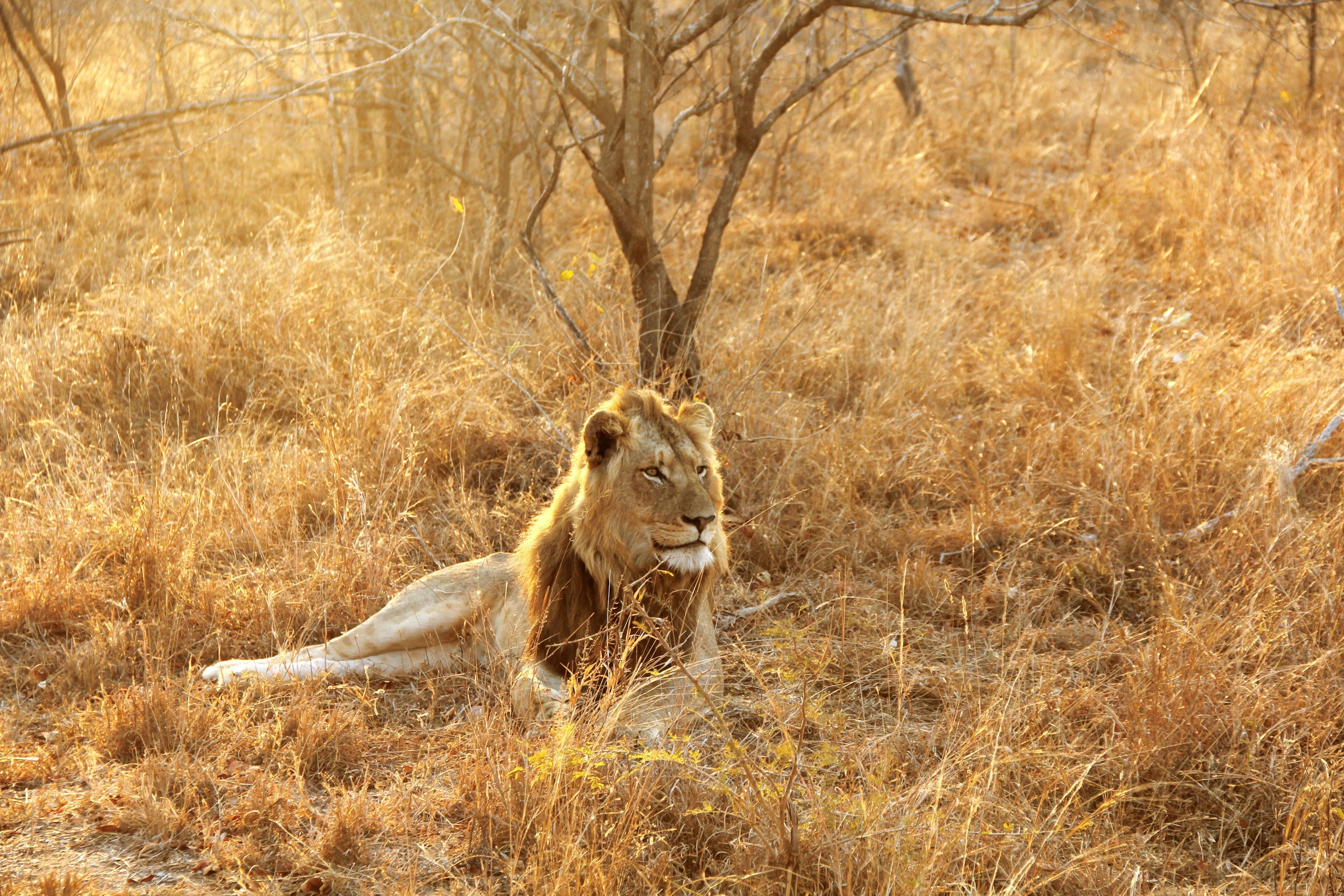
Kruger National Park delivers world-class game viewing year-round, but timing changes everything. Winter brings sparse bush and crowded waterholes. Summer turns the landscape green and brings newborn animals. This month-by-month breakdown helps you decide when to book your safari — and what to expect when you arrive.
Why Timing Matters in Kruger
Kruger spans nearly 20,000 square kilometres across Mpumalanga and Limpopo. The park has two distinct seasons:
- Dry season (May–September): Little rain, thin vegetation, and animals congregate around permanent water sources. This is peak game-viewing season.
- Wet season (October–April): Hot, humid afternoons, lush green landscapes, and abundant newborn animals. Birdlife is spectacular, but dense bush makes big cats harder to spot.
Your ideal window depends on whether you prioritise photography, predator sightings, comfortable temperatures, or lower prices.
Kruger in Winter: May to September
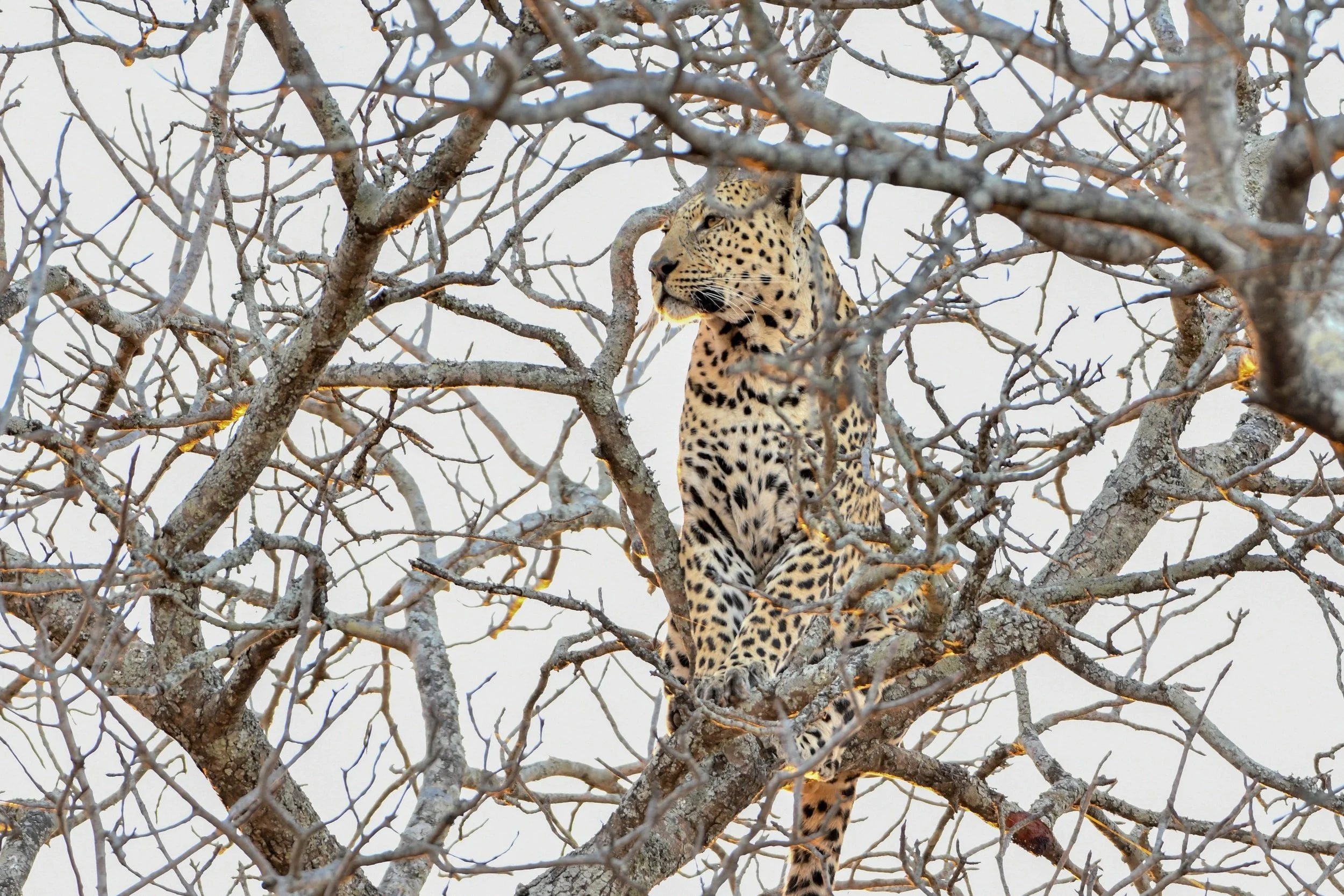
Winter is the classic safari season. Skies are clear, mosquitoes are scarce, and the bush thins out enough to spot a leopard napping in a marula tree from two hundred metres away.
May
Temperatures range from 10°C at dawn to 27°C by midday. The first cold fronts arrive, but rain is rare. Many safari veterans consider May the single best month to visit Kruger: the bush is still relatively open after the wet season, waterholes are shrinking, and lodges have not yet hit peak pricing.
What you’ll see: Elephants moving in large herds, early morning mist over the Sabie River, and increasing predator activity near water.
June
Mid-winter brings crisp mornings and cloudless afternoons. Daytime temperatures sit around 25°C; nights can drop to 6°C. Pack a down jacket for dawn game drives.
What you’ll see: This is prime time for the Big Five. Buffalo and rhino gather at waterholes, and lion prides are active during the cooler hours. The bush is at its thinnest, making sightings easier to photograph.
July
School holidays in South Africa and Europe mean July is busy. Book lodges and flights at least four months ahead.
What you’ll see: Leopard sightings peak in the Sabi Sand and Timbavati reserves bordering Kruger. Wild dog packs are also highly active in winter.
August
Still dry, still excellent. The landscape turns golden and grasses are at their lowest. August is ideal for first-time safari-goers who want maximum visibility with minimal weather risk.
What you’ll see: Large breeding herds of elephant, giraffe calves, and frequent lion-cub sightings near den sites.
September
The first heat builds. Daytime temperatures climb past 30°C. The first isolated showers may arrive late in the month, but the bush remains largely bare.
What you’ll see: Migratory birds begin arriving. Carmine bee-eaters and European rollers add colour to the skies. Predator action remains strong before the rains transform the landscape.
Kruger in Summer: October to April
Summer is the green season. Afternoon thunderstorms roll in, the bush erupts into thick vegetation, and many animals give birth. It is hot, humid, and dramatically beautiful.
October
The first proper rains usually arrive in October. The landscape changes almost overnight. Dusty plains become emerald grassland, and antelope herds scatter across wide areas instead of clustering at waterholes.
What you’ll see: Baby impalas everywhere — a buffet for predators. This is when lion and leopard kills spike. Migratory birds are now abundant.
November
Temperatures regularly hit 35°C with high humidity. Lodges drop their green-season rates, making November one of the best-value months for a luxury safari.
What you’ll see: Newborn zebra, wildebeest, and warthog piglets. Bird photographers consider November the highlight of the year.
December
December is peak summer holiday season for South Africans. Lodges book out around Christmas. Expect afternoon storms, vibrant sunsets, and thick bush that challenges even experienced trackers.
What you’ll see: Reptiles are highly active. Python and monitor lizard sightings increase. Big cats are still present but require more patience to locate.
January
The wettest, hottest month. Some gravel roads may be temporarily closed after heavy downpours. If you can handle the heat, January offers solitude and dramatic skies.
What you’ll see: Full waterholes, frogs chorusing at night, and exceptional birding. Elephants swim and play in flooded riverbeds.
February
Similar to January but with slightly less rainfall. The bush is now at its thickest, which can frustrate photographers but rewards those who enjoy raw wilderness.
What you’ll see: Wild dogs begin denning. If you are lucky enough to locate an active den, you may watch pups emerge at dawn.
March
Autumn arrives. Temperatures drop back to the high 20s, and rain becomes less frequent. The landscape remains green but begins to dry out.
What you’ll see: Excellent general game viewing returns. March is a hidden gem — good weather, fewer crowds, and reasonable rates.
April
The transition month. Mornings are cool, afternoons are warm, and the first signs of the dry season appear. April combines the best of both worlds: green scenery with thinning bush.
What you’ll see: Large herds returning to river systems. Predator visibility improves week by week.
Quick Comparison: Dry Season vs. Green Season
| Factor | Dry Season (May–Sep) | Green Season (Oct–Apr) |
|---|---|---|
| Big Five spotting | Excellent | Good (requires patience) |
| Birdlife | Good | Exceptional |
| Temperature | Mild, cold mornings | Hot, humid afternoons |
| Malaria risk | Lower | Higher (use prophylaxis) |
| Prices | Peak | 20–40% lower |
| Crowds | Higher | Lower |
| Photography | Easy, clean backgrounds | Dramatic skies, lush colours |
When Should You Book?
For winter safaris, reserve six to nine months ahead, especially if you want a specific lodge in the Sabi Sand or Kapama reserves. For green-season travel, three to four months is usually sufficient, and you will find last-minute availability at better rates.
What to Pack for Kruger, by Season
Winter (May–Sep)
- Fleece or down jacket for dawn drives
- Beanie and gloves
- Neutral-coloured clothing (khaki, olive, brown)
- Sunscreen and lip balm — the African winter sun is surprisingly harsh
Summer (Oct–Apr)
- Lightweight, long-sleeved shirts (mosquito protection)
- High-SPF sunscreen and a wide-brimmed hat
- Waterproof shell for afternoon storms
- Binoculars — thicker bush means you need the extra reach
Ready to Plan Your Kruger Safari?
The best time to visit Kruger National Park is whenever you can get there — but if you want the highest odds of seeing the Big Five in a single morning, aim for June through August. If you prefer lush scenery, dramatic light, and lower rates, November and March are underrated winners.
At Savitar Tours, we run a 7-day Cape Town, Kruger & Victoria Falls safari that places you at Kapama River Lodge in the Greater Kruger for two full days of open-vehicle game drives. Departures are every Monday, year-round, with internal flights and all conservation levies included.
Have questions about timing? Drop us a note. We have guided travellers through every season — and we will help you pick the month that matches your expectations.


