

On August 12, 2026, a total solar eclipse will sweep across the Mediterranean. Three of Europe's most iconic destinations — Greece, Spain, and Italy — all sit in or near the path of totality.
But which one is right for you?
At Savitar Tours, we run escorted tours to all three. Here's how they compare for eclipse chasers.
Greece: The Island Experience
Totality duration: Up to 4 minutes 30 seconds
Best viewing: Santorini, Crete, Athens
Weather odds: 85–90% clear skies in August
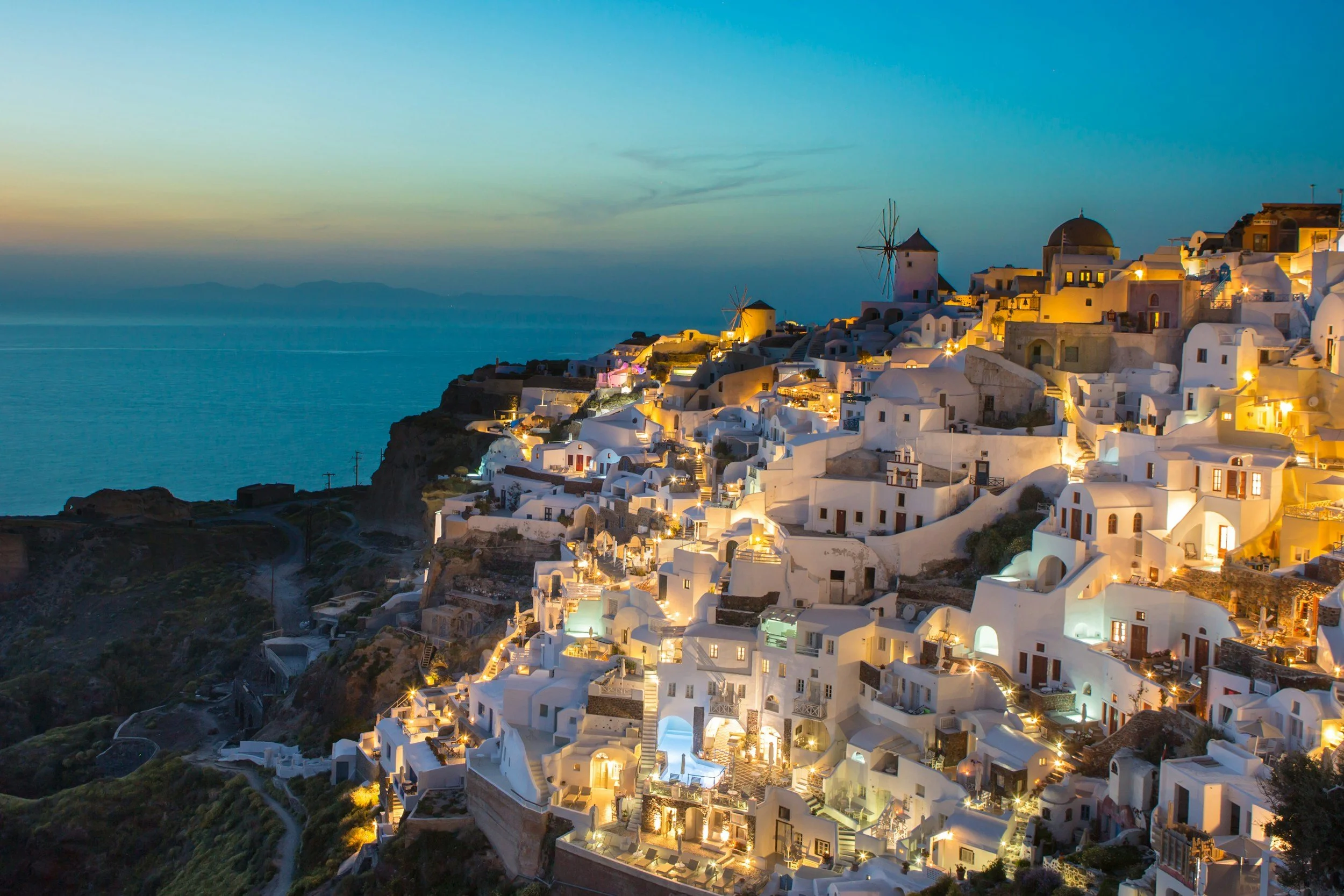
Greece offers something no other eclipse destination can match: watching totality from an island in the Aegean Sea. Picture the sun vanishing behind the moon as you stand on volcanic cliffs in Santorini, or on a quiet beach in Crete with ancient ruins behind you.
The trade-off: August is peak tourist season. Hotels and ferries book out fast — especially eclipse weekend. If Greece is your choice, plan 12+ months ahead.
Spain: The Mediterranean Classic
Totality duration: Up to 4 minutes
Best viewing: Barcelona, Granada, Mediterranean coast
Weather odds: 80–85% clear skies in August
Spain combines excellent eclipse viewing with some of Europe's most vibrant cities. Barcelona's architecture, Granada's Alhambra, and the Costa del Sol's beaches give you plenty to do before and after the main event.
The advantage: Better infrastructure and more flight options than the Greek islands. You can fly into Barcelona or Madrid, drive to your viewing spot, and still have a world-class city break.
The trade-off: Slightly shorter totality than Greece, and southern Spain can be intensely hot in August.
Italy: Culture Meets Cosmos
Totality duration: Up to 3 minutes 45 seconds
Best viewing: Sicily, Rome, southern coast
Weather odds: 75–80% clear skies in August
Italy's eclipse path runs through Sicily and up toward Rome. Imagine watching totality with the Colosseum or Mount Etna in your peripheral vision. The food, the history, the art — Italy turns eclipse chasing into a cultural pilgrimage.
The trade-off: Shorter totality and slightly lower clear-sky odds than Greece or Spain. But if you value the overall travel experience as much as the eclipse itself, Italy is hard to beat.
The Verdict: Which Destination Is Right for You?
Choose Greece if you want the longest eclipse and a once-in-a-lifetime island setting.
Choose Spain if you want the easiest trip with great cities and beaches.
Choose Italy if you want culture, food, and history wrapped into one unforgettable journey.
Create SEO-optimized blog post and updated redirect code for Greece
Here's the full blog post copy and the updated search redirect code with Greece added.
Blog Post: "Where to See the 2026 Solar Eclipse: Greece vs. Spain vs. Italy"
Title: Where to See the 2026 Solar Eclipse: Greece vs. Spain vs. Italy
URL Slug: /best-place-2026-solar-eclipse-europe
Meta Description: Can't decide where to see the 2026 total solar eclipse? Compare Greece, Spain, and Italy for weather, totality duration, and travel experience — then book your escorted tour.
Header Image: [Split image or collage: Greek islands, Spanish coast, Italian ruins with eclipse overlay]
On August 12, 2026, a total solar eclipse will sweep across Europe — and three of our favorite destinations sit directly in the path of totality.
But where should you be standing when the sky goes dark?
Here's the honest comparison.
Greece: The Island Experience
Totality duration: Up to 4 minutes 30 seconds
Best viewing: Santorini, Crete, Athens
Weather odds: 85–90% clear skies in August
Greece offers something no other eclipse destination can match: watching totality from an island in the Aegean Sea. Picture the sun vanishing behind the moon as you stand on volcanic cliffs in Santorini, or on a quiet beach in Crete with ancient ruins behind you.
The trade-off: August is peak tourist season. Hotels and ferries book out fast — especially eclipse weekend. If Greece is your choice, plan 12+ months ahead.
Spain: The Mediterranean Classic
Totality duration: Up to 4 minutes
Best viewing: Barcelona, Granada, Mediterranean coast
Weather odds: 80–85% clear skies in August
Spain combines excellent eclipse viewing with some of Europe's most vibrant cities. Barcelona's architecture, Granada's Alhambra, and the Costa del Sol's beaches give you plenty to do before and after the main event.
The advantage: Better infrastructure and more flight options than the Greek islands. You can fly into Barcelona or Madrid, drive to your viewing spot, and still have a world-class city break.
The trade-off: Slightly shorter totality than Greece, and southern Spain can be intensely hot in August.
Italy: Culture Meets Cosmos
Totality duration: Up to 3 minutes 45 seconds
Best viewing: Sicily, Rome, southern coast
Weather odds: 75–80% clear skies in August
Italy's eclipse path runs through Sicily and up toward Rome. Imagine watching totality with the Colosseum or Mount Etna in your peripheral vision. The food, the history, the art — Italy turns eclipse chasing into a cultural pilgrimage.
The trade-off: Shorter totality and slightly lower clear-sky odds than Greece or Spain. But if you value the overall travel experience as much as the eclipse itself, Italy is hard to beat.
The Verdict: Which Destination Is Right for You?
Table
GreeceSpainItalyLongest totality✅Best weather odds✅Easiest logistics✅Most to see & do✅Island vibe✅
Choose Greece if you want the longest eclipse and a once-in-a-lifetime island setting.
Choose Spain if you want the easiest trip with great cities and beaches.
Choose Italy if you want culture, food, and history wrapped into one unforgettable journey.
Why Book an Escorted Eclipse Tour?
Eclipse day is not the time to wing it. You need:
A prime viewing location secured months in advance
Backup weather plans and mobility on the ground
Expert guides who know exactly when and where to position you
No stress about ferries, traffic, or sold-out hotels
At Savitar Tours, our 2026 Total Solar Eclipse Tour handles every detail — so you can focus on the sky.
Also in 2027: Egypt
If you miss the 2026 eclipse — or simply want to chase another — the August 2, 2027 total solar eclipse crosses Egypt. Witness totality over the pyramids and the Nile. More on that soon.


