
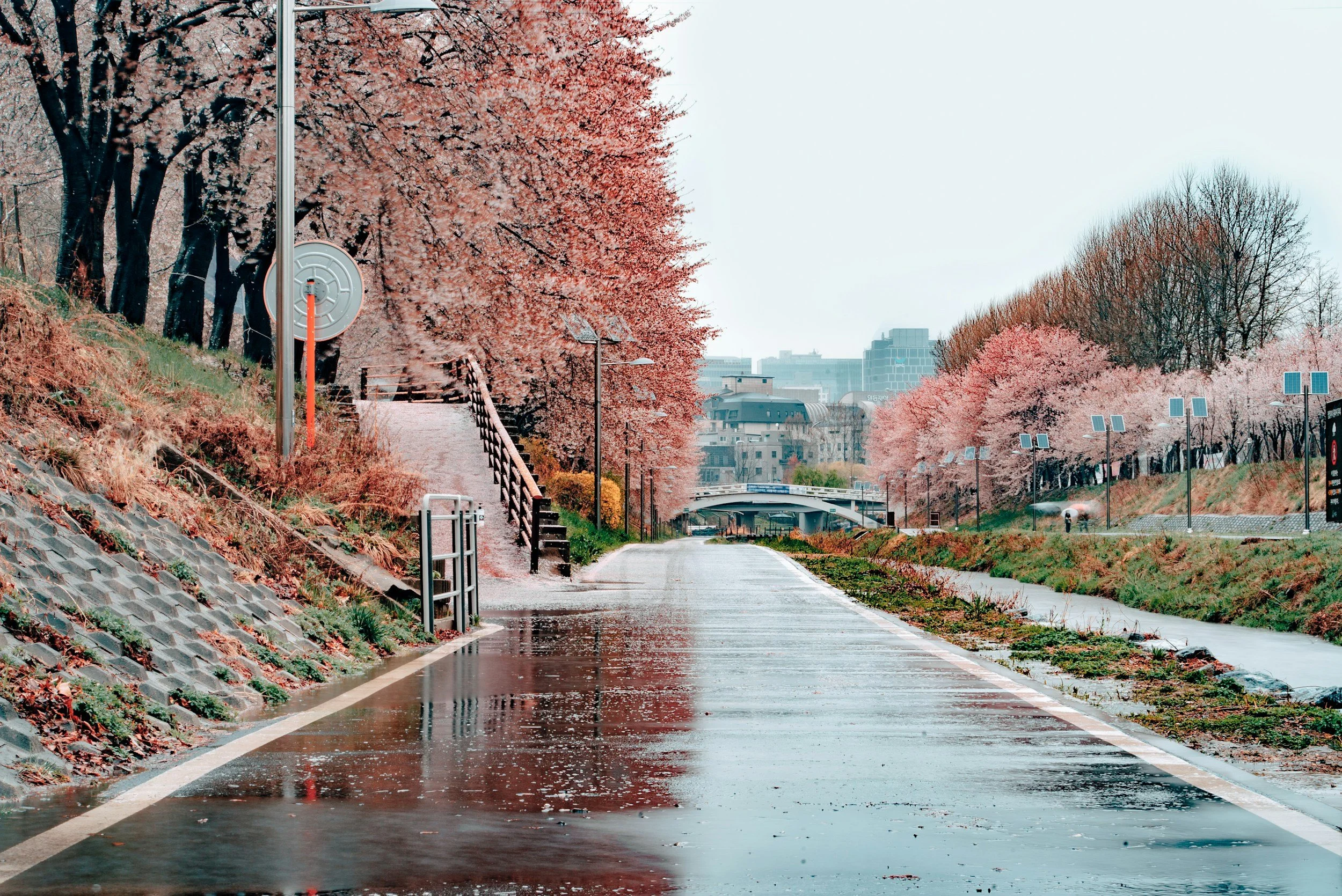
Korea's idea of wellness is older than any spa menu. For centuries Koreans have looked after body and mind with herbal medicine, mountain temples, hot bathhouses and long walks in the forest. Today those traditions sit alongside some of Asia's best hotels, so a traveller can spend the morning in a Buddhist temple and the evening in a five-star suite. Here is a guide to Korea's wellness traditions and how to experience them.
Hanbang: traditional Korean medicine
Hanbang is Korea's own system of traditional medicine, using herbs, acupuncture, moxibustion and cupping to bring the body back into balance. In Seoul, the streets around Gyeongdong market are lined with herbal shops and clinics, and the Seoul Yangnyeongsi Herb Medicine Museum explains the history. Many visitors book a consultation and a gentle treatment, and some hotel spas offer hanbang-inspired therapies with ginseng and Korean botanicals.
Temple stay: a night in a mountain monastery
Korea's Templestay program lets visitors spend a night in a working Buddhist temple. You wear simple temple clothes, join a tea ceremony with a monk, try meditation, share a temple meal and, if you wish, rise before dawn for the morning chanting. It is quiet, beautiful and unexpectedly restful, even for travellers who have never meditated.
Bring: warm socks, a light layer and an open mind; bedding is simple.
Respect: keep voices low, cover shoulders and knees, and take only what you will eat at formal meals.
Combine it: a temple stay near Gyeongju pairs well with the city's UNESCO-listed temples and royal tombs.
Forest bathing
Korea takes forest healing seriously, with dedicated healing forests and guided programmes that use slow walking, breathing and time among the trees. Spring and autumn are the best seasons, when the hills turn green or red and gold. Even a gentle half-day walk in the mountains outside Seoul is a welcome contrast to the city.
The jjimjilbang: Korea's social bathhouse
A jjimjilbang is a large bathhouse with hot and cold pools, saunas, heated floors and rest rooms, often open around the clock. Koreans go with friends and family to soak, rest and eat. Baths are separated by gender and bathing is without swimwear, so it helps to know the etiquette before you go; our free guide below covers it step by step.
Bringing it together
The best Korea wellness trips mix these traditions with comfort: a few nights in Seoul for spa, K-beauty and hanbang, then a temple stay and forest walks in the countryside, with private transfers and first-class KTX rail in between. That is the idea behind our new Korea K-Wellness Retreat (7 days, from about $4,950 per person), and any of our journeys can be tailored the same way.
See all three 2027 journeys on our Luxury Korea: Wellness & Beauty Escapes page, or read our guide to K-beauty in Seoul.
Get our free Luxury Korea Wellness Guide below for temple-stay advice, jjimjilbang etiquette, the best seasons and a packing list.


